Field Notes Journal Entry
The Ngorongoro Crater
An early descent into the Ngorongoro Crater brings lions in the dawn light, birdlife across the plains, and a full day of encounters within the caldera, with the elusive black rhino still just out of sight
Descent into the Crater
Unlike the other National Parks we’d visited so far, there are no residences down in the Ngorongoro Crater itself so our day was to begin with a short drive to the entrance to the crater and a descent down to the caldera floor.
The gates are open between 6:00 and 16:00 each day and the previous evening Philip had asked us what time we wanted to head out the following day. As we were there to see the wildlife and he was the expert, as our guide and a former park ranger, we asked his advice and that was, in essence, the earlier the better to catch the early morning wildlife.
So, we were up in time to begin our descent into the crater at 06:00.
Our aim throughout our safari was to observe whatever wildlife we were lucky enough to encounter so keeping a tally wasn’t the point, but by this time we had been blessed to see all-but-one of the “big five”, leaving only the black rhino unaccounted for, so it was impossible not to hope, at least a little, that we might see one:
| Name | Scientific Name | Seen |
|---|---|---|
| Lion | Panthera leo | ✔ |
| Leopard | Panthera pardus | ✔ |
| African Buffalo | Syncerus caffer | ✔ |
| African Bush Elephant | Loxodonta africana | ✔ |
| Black Rhinoceros | Diceros bicornis | ❌ |
Our hope was tinged with realism, though, as the crater covers some 264 square kilometres and at the time there were only 50 black rhino in it!
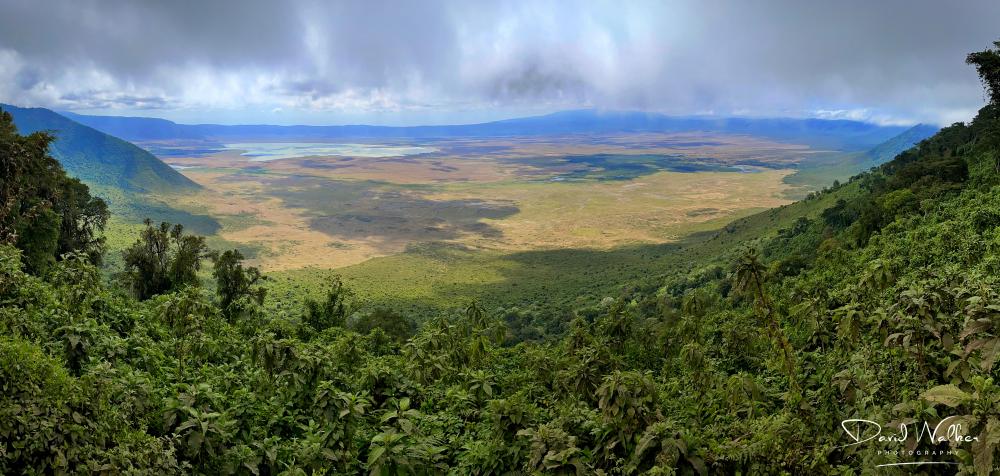
It was cold as we began our 600 metre descent and we were to experience the full gamut of warmer weather, chillier weather and drizzle on the way down! The road was somewhat precipitous so, as Ruth has a fear of heights, it was quite advantageous that it was still dark, the early dawn only just beginning to break as we arrived at the crater floor, the drizzle having given way to better weather by this point.
First Light
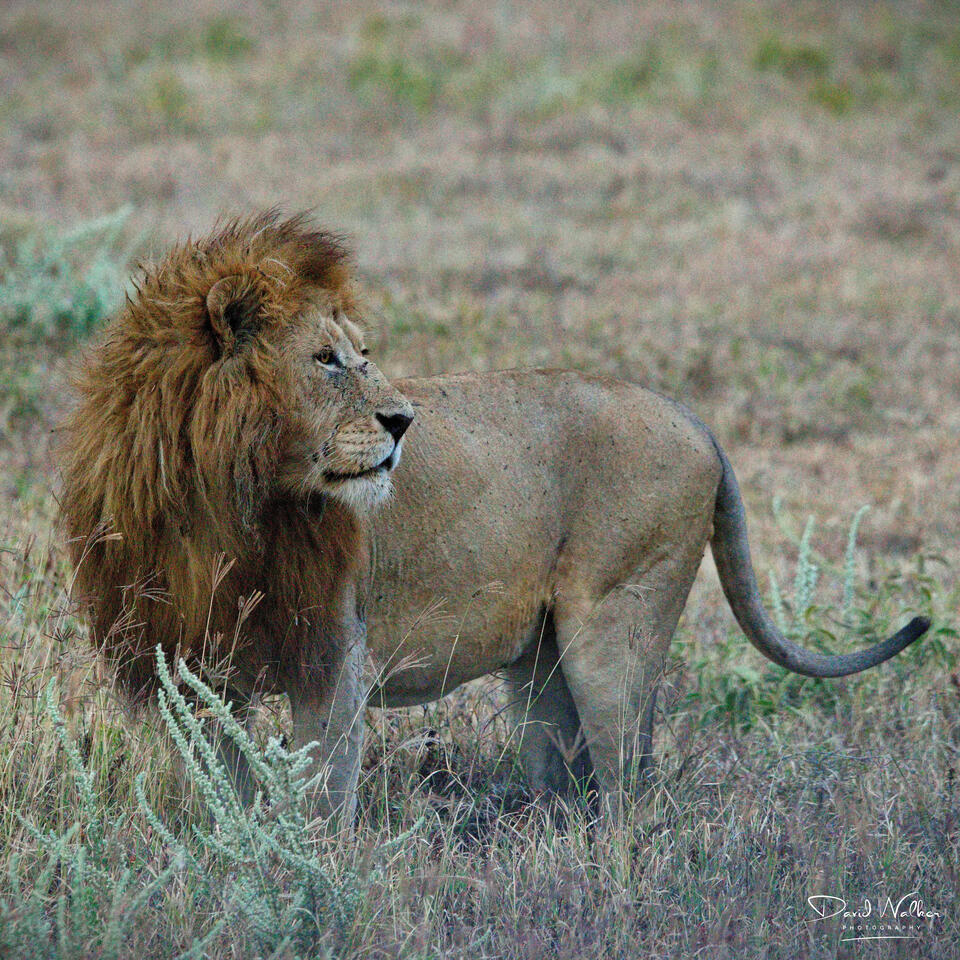
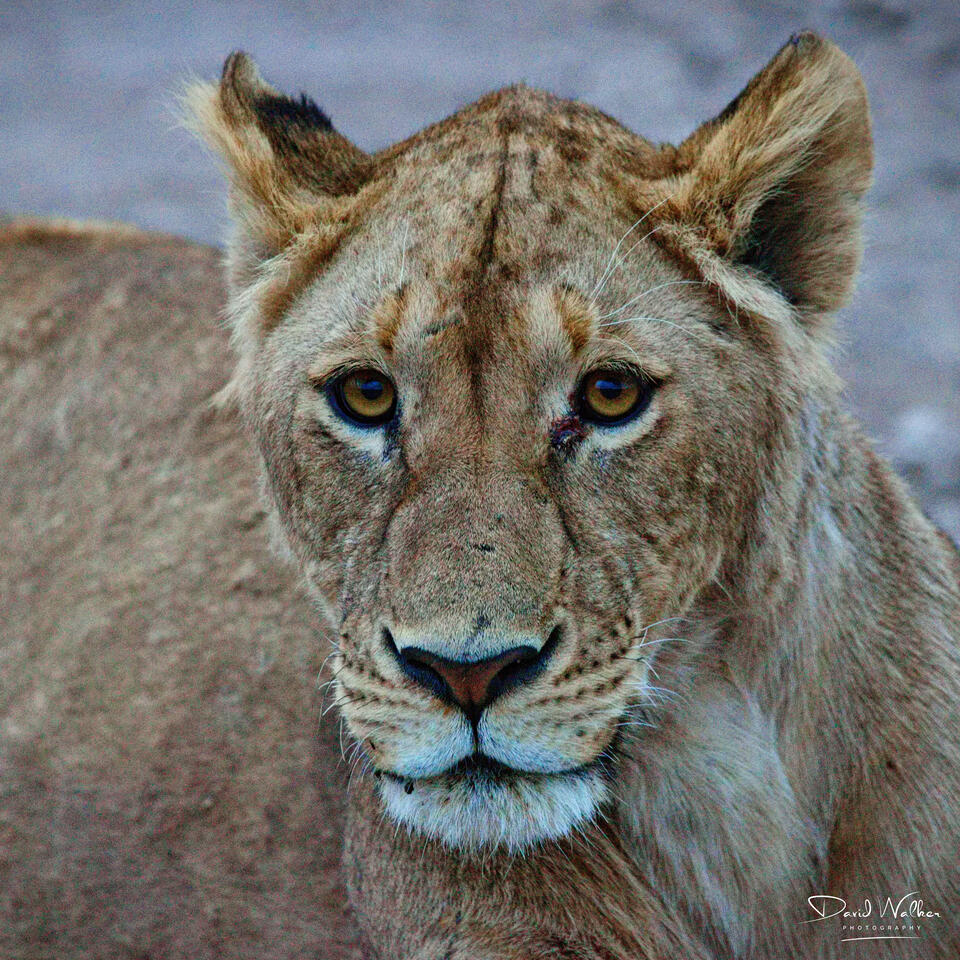
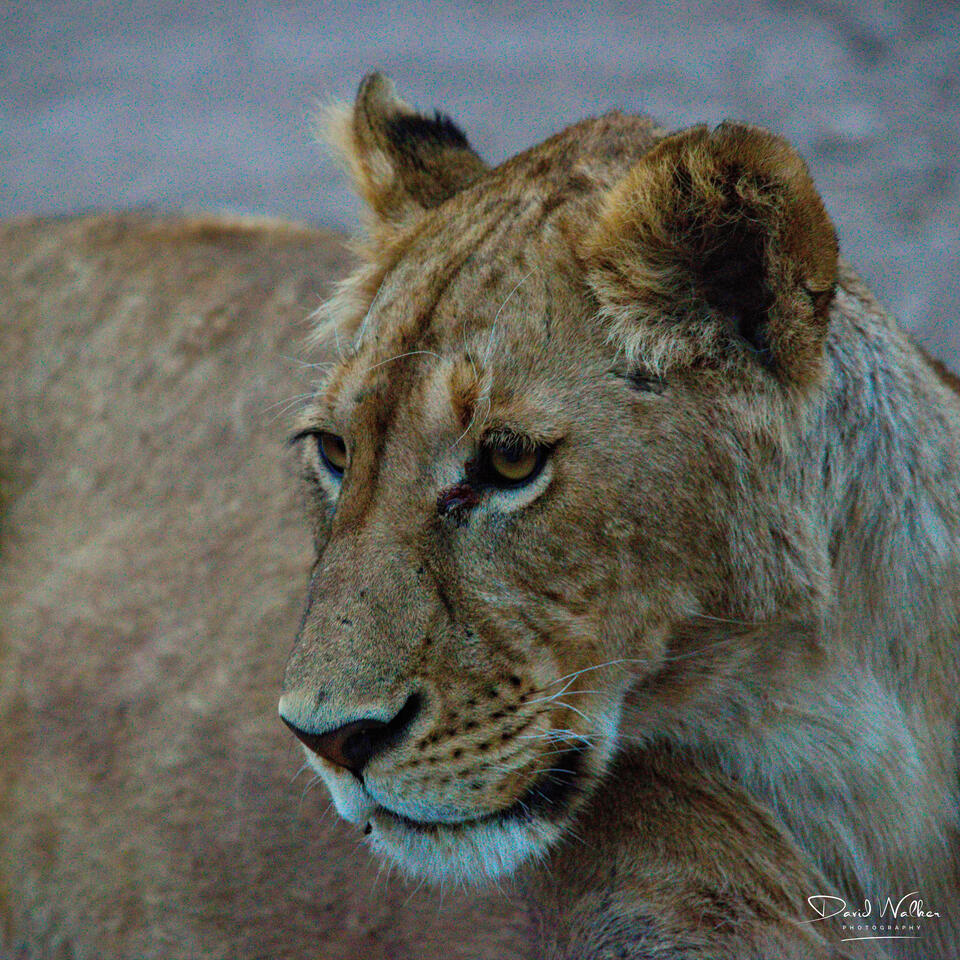
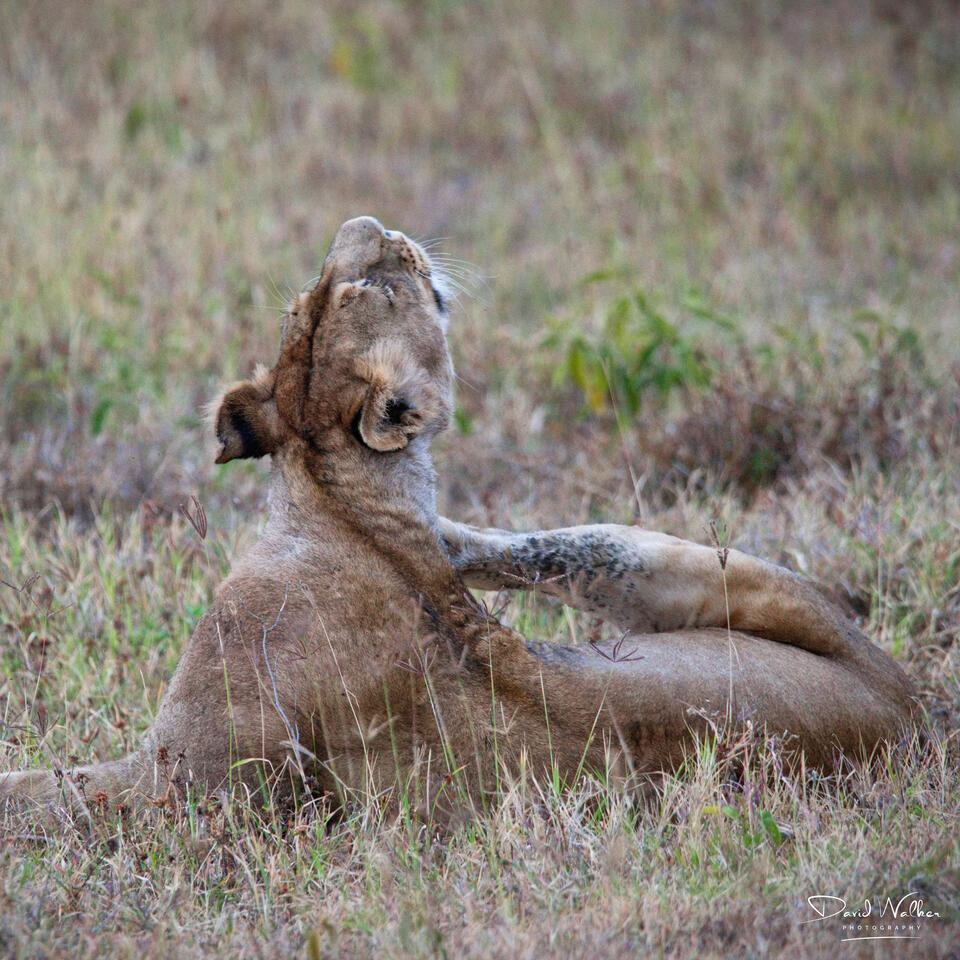
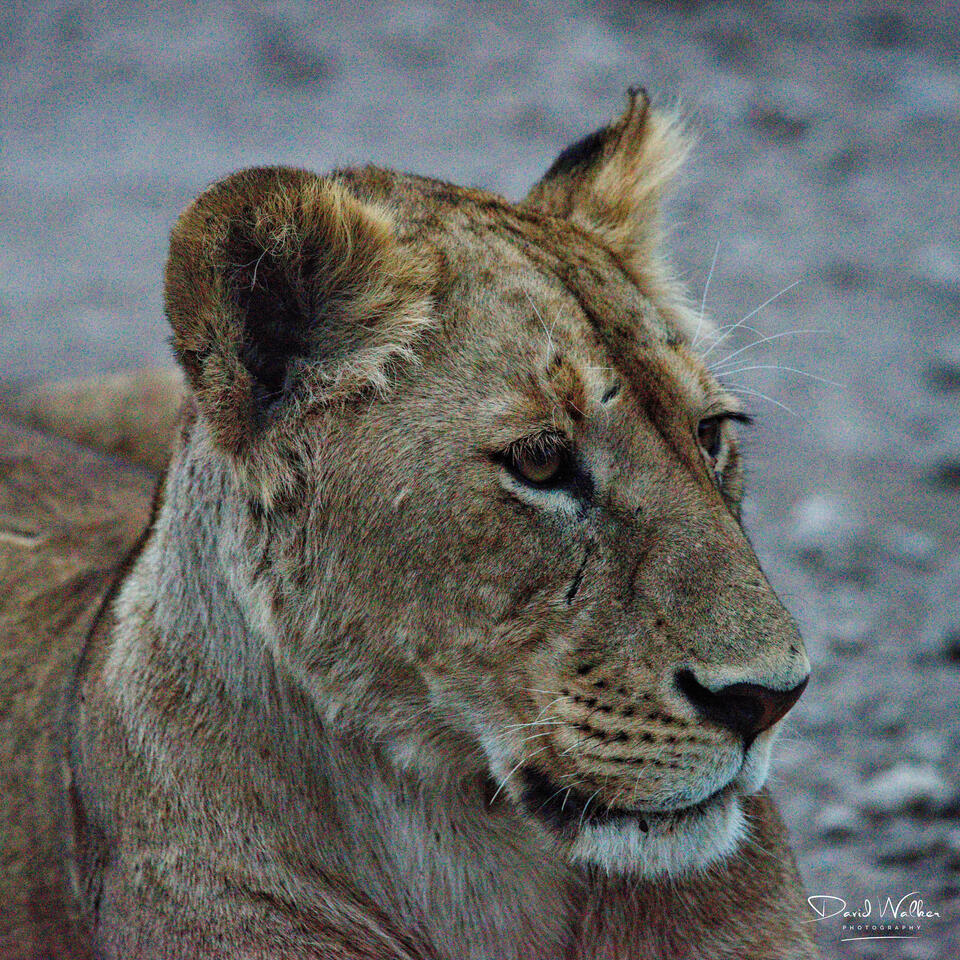
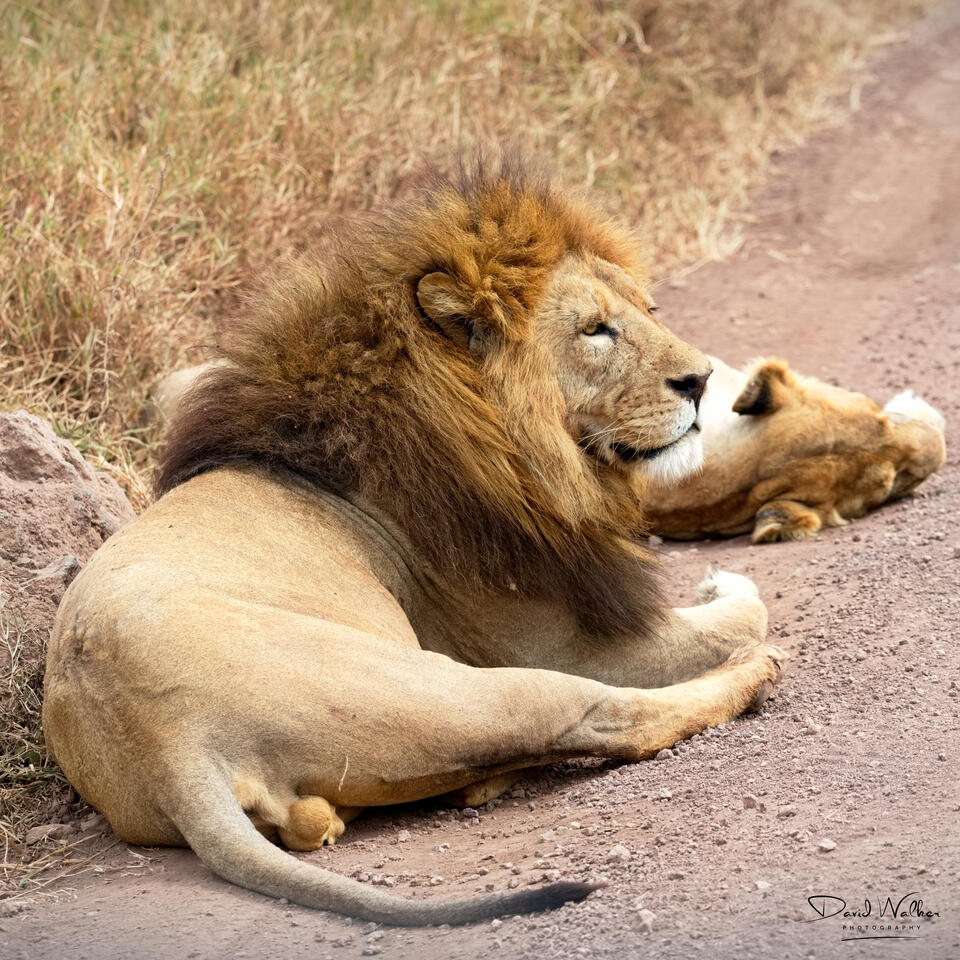
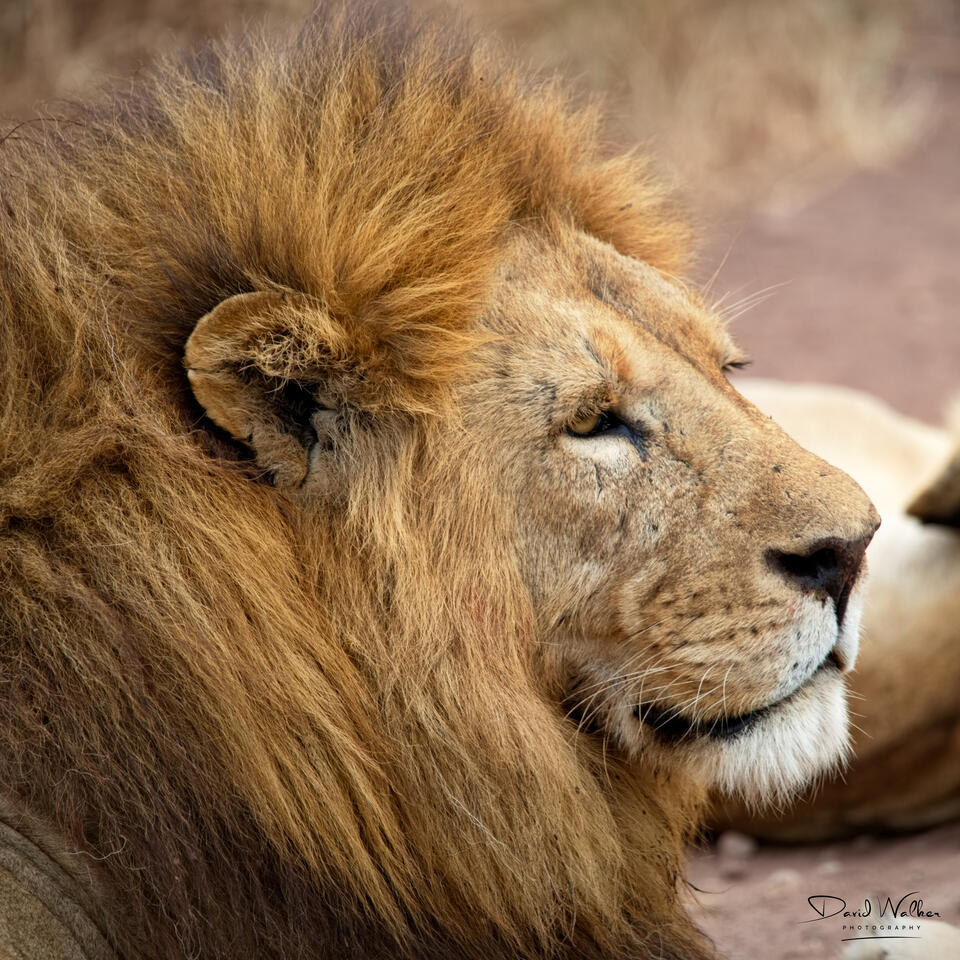
Almost immediately, we had our first encounter with a pair of lions. The lioness was, perhaps, the most beautiful animal I’d seen to date. There was just something about the way she lay serenely observing her surroundings, although she did then break the spell a little by “shouldering arms” to have a good scratch, a gesture any cat-owner will recognise and appreciate!
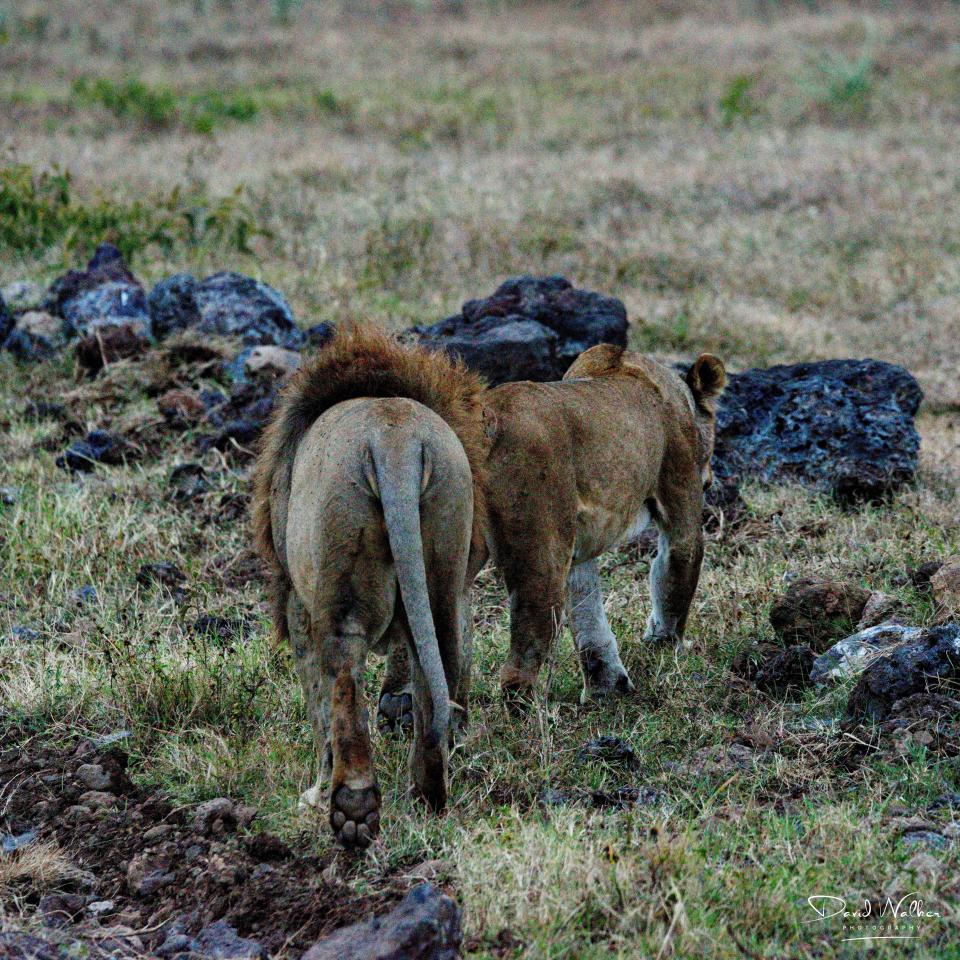
With the itch satisfied, she got up and gradually strolled away from us, the lion following doggedly behind, and Philip joked that he thought they were probably “on honeymoon”!
Across the Crater Floor
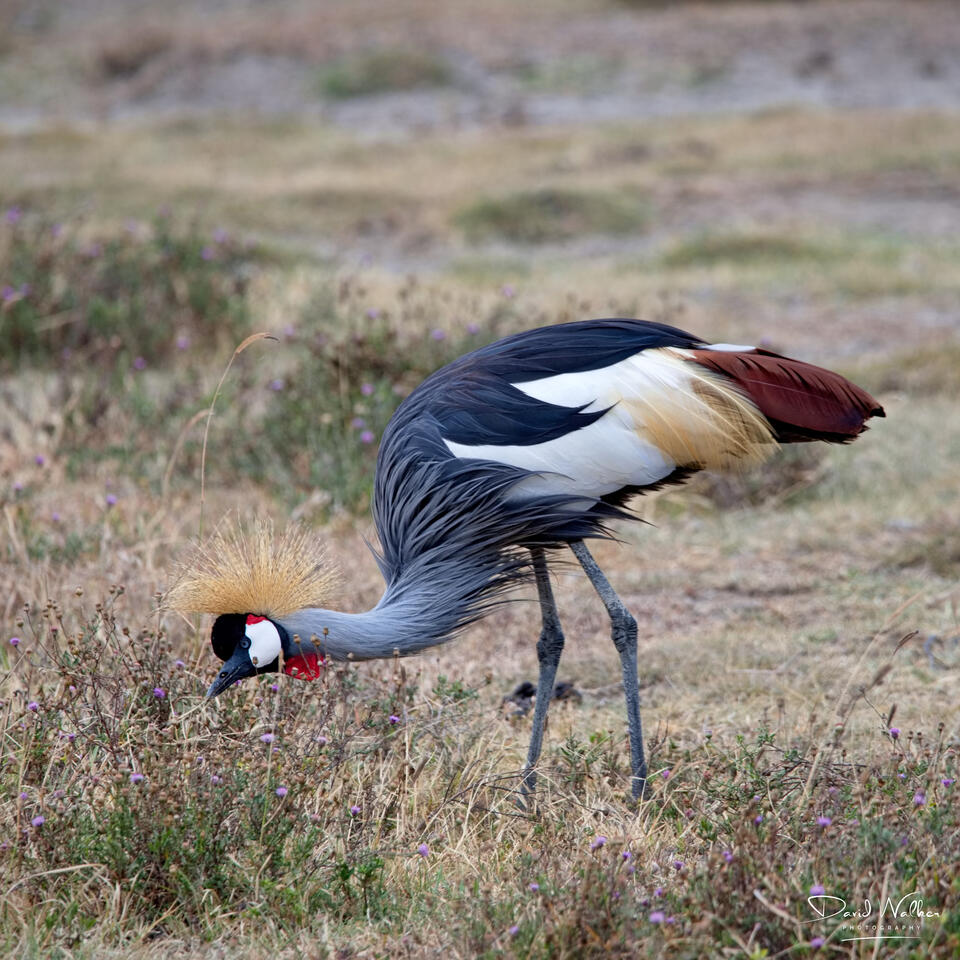
It was in the crater that we had our first sighting of the Grey Crowned Crane (Balearica regulorum), the national bird of Uganda. We watched as it fed in the short grass, its ornate crown and sharply defined plumage standing out against the rather more muted tones of the surrounding ground.
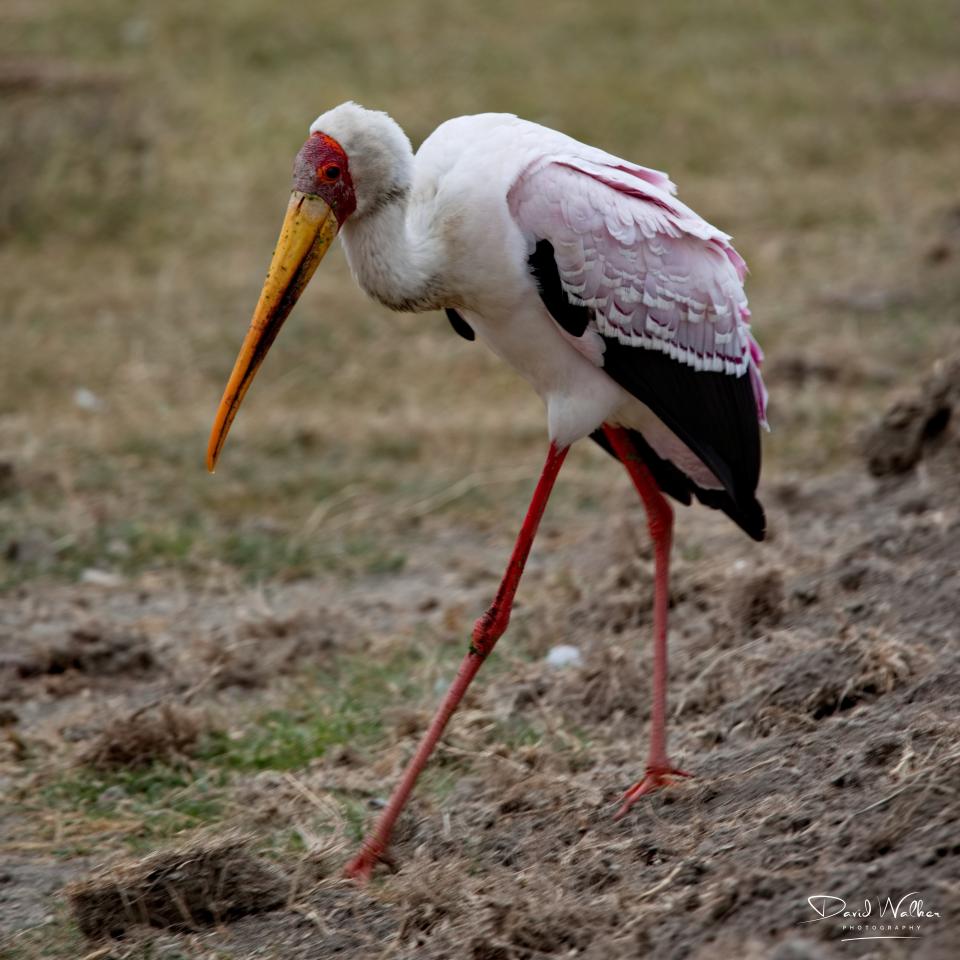
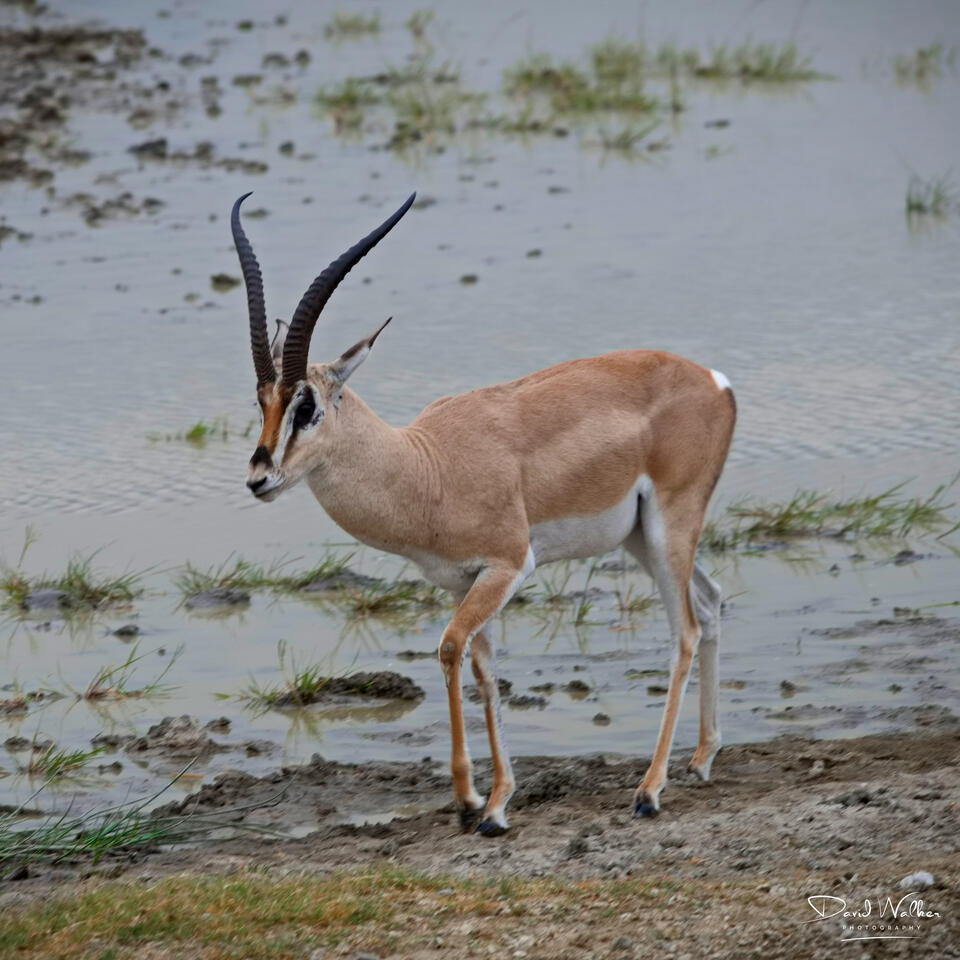
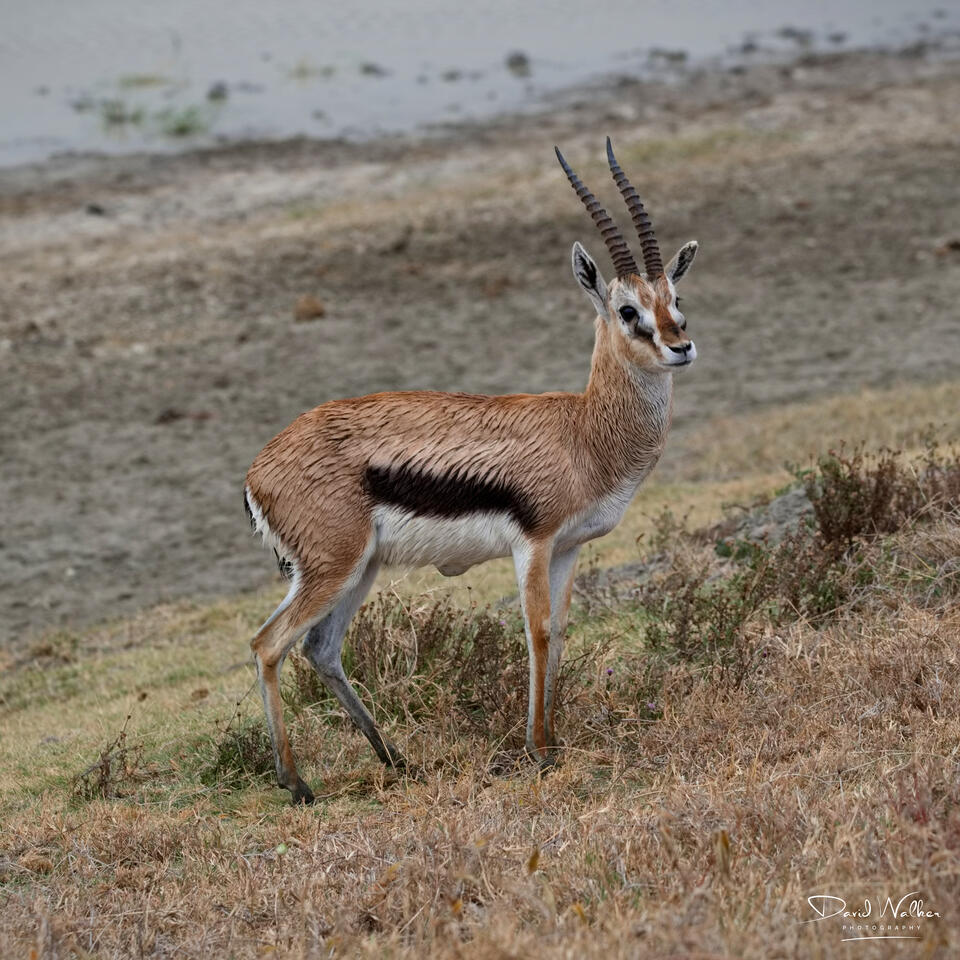
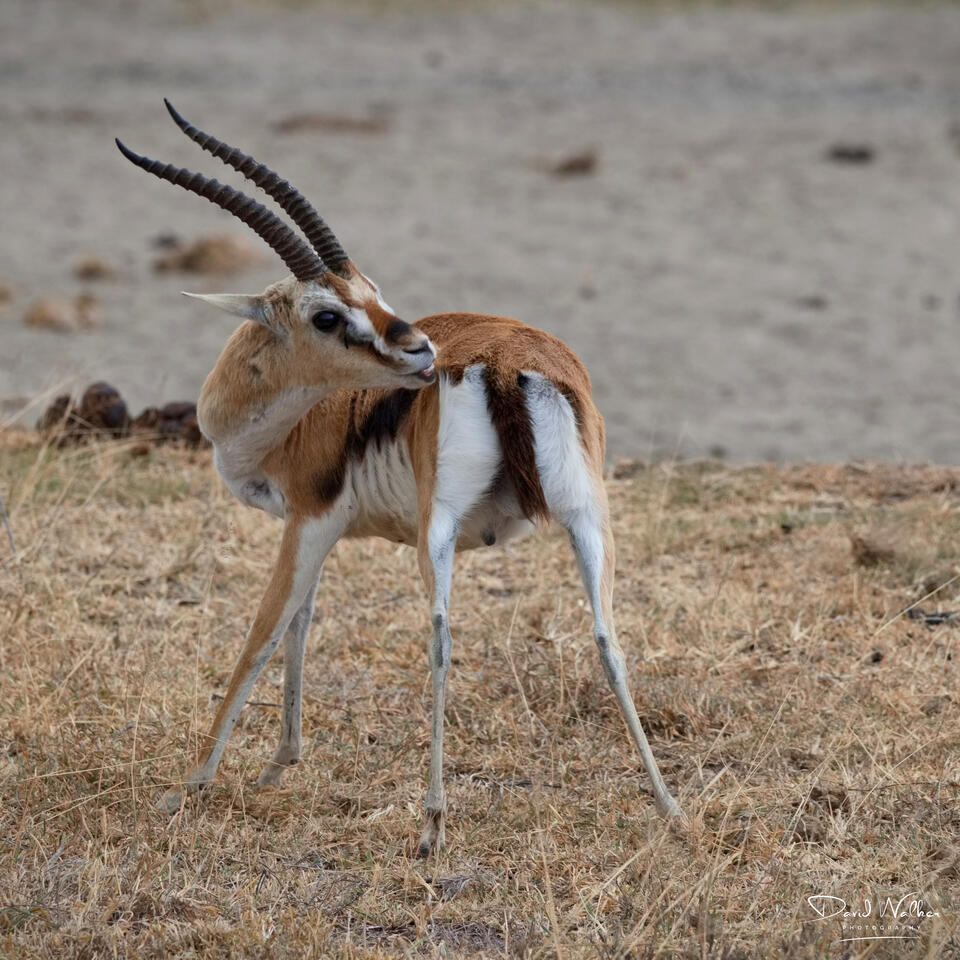
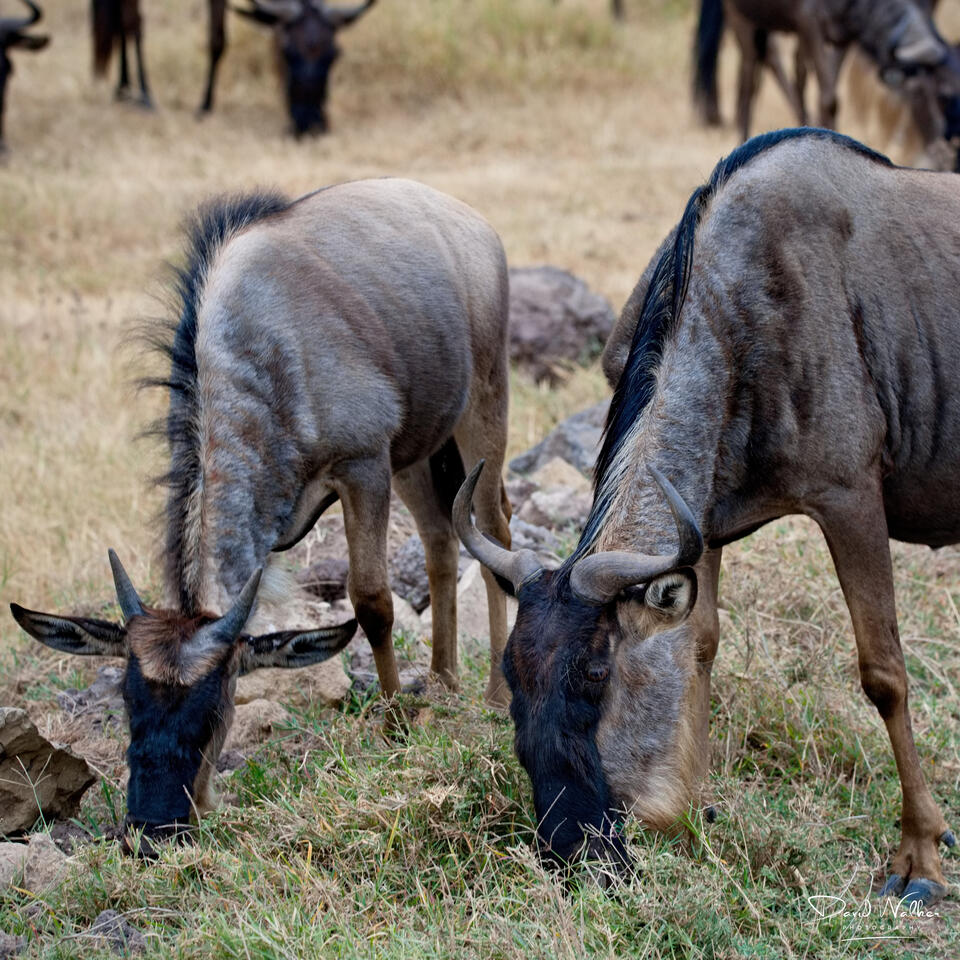
We saw a yellow-billed stork strutting past a pair of plump pelicans, hunkered down in the long grass by a small stream and wildebeest, Grant’s Gazelle and the ubiquitous Thomson’s Gazelle were all very much in evidence, though, interestingly we saw very few hyena and no giraffe at all. Philip indicated that the steep climb down the crater rim is a descent too far for a giraffe to make.
A Stalking Lion
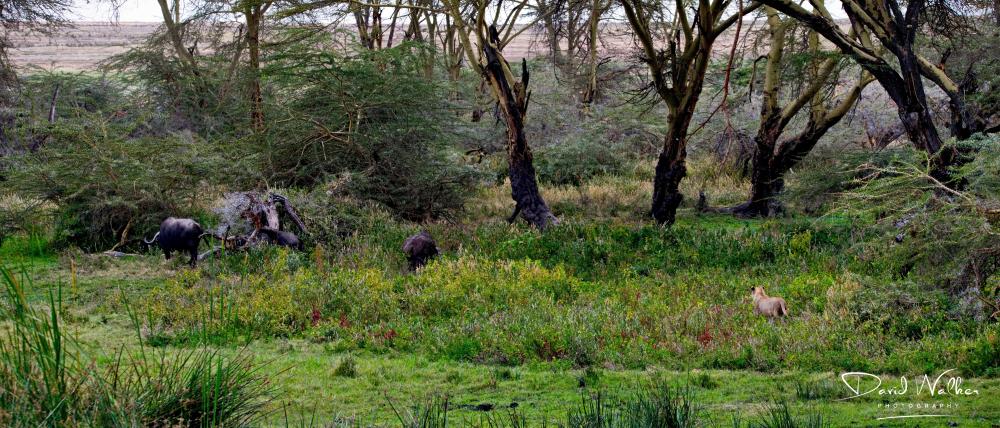
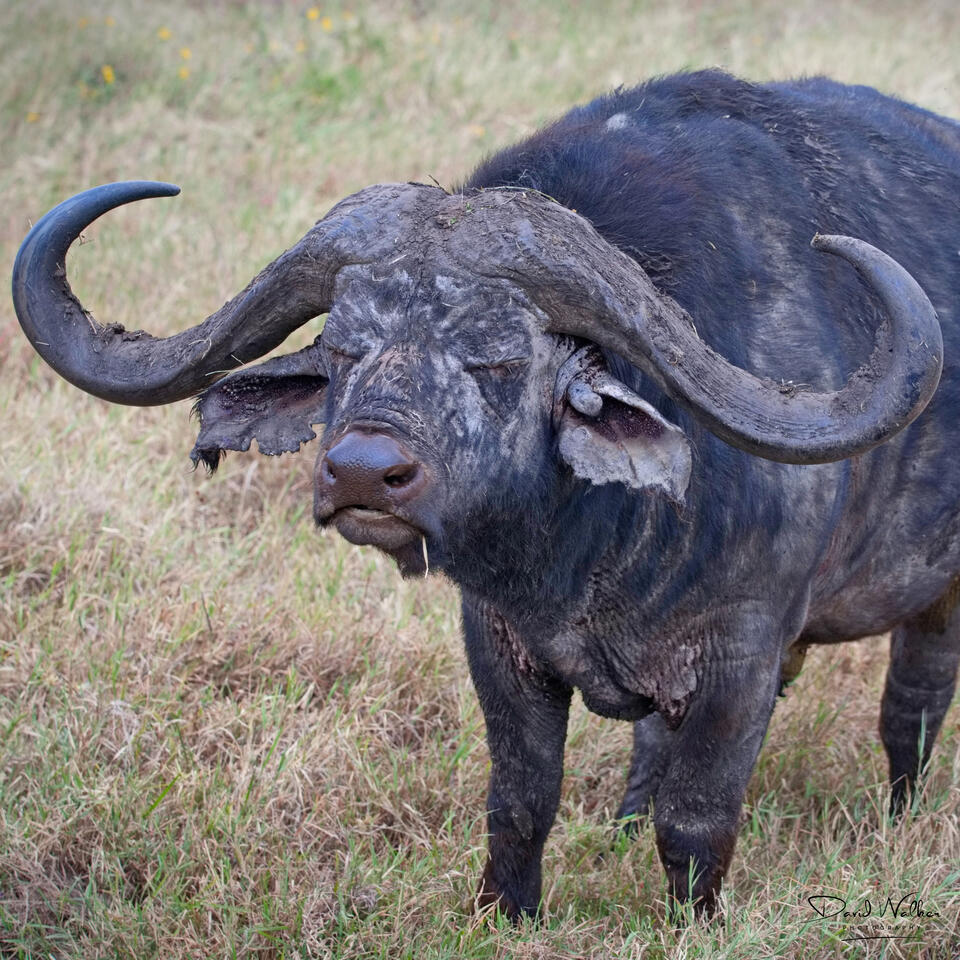
Mid-morning, we drove to one of the field stations in the crater for a comfort break. The station was tucked behind an area of lush wet land and trees and there were buffalo grazing peacefully in the long grass. Sitting in the Land Cruiser quietly observing the scene we spotted some movement to the left. Surely not? But, yes, a solitary lion seemed to be stalking the buffalo. Given the power and strength of the African Buffalo this was definitely not a good plan on the lion’s part and Philip said it was likely relatively young and inexperienced. Thankfully, it didn’t follow through!
Lunch by the Pool
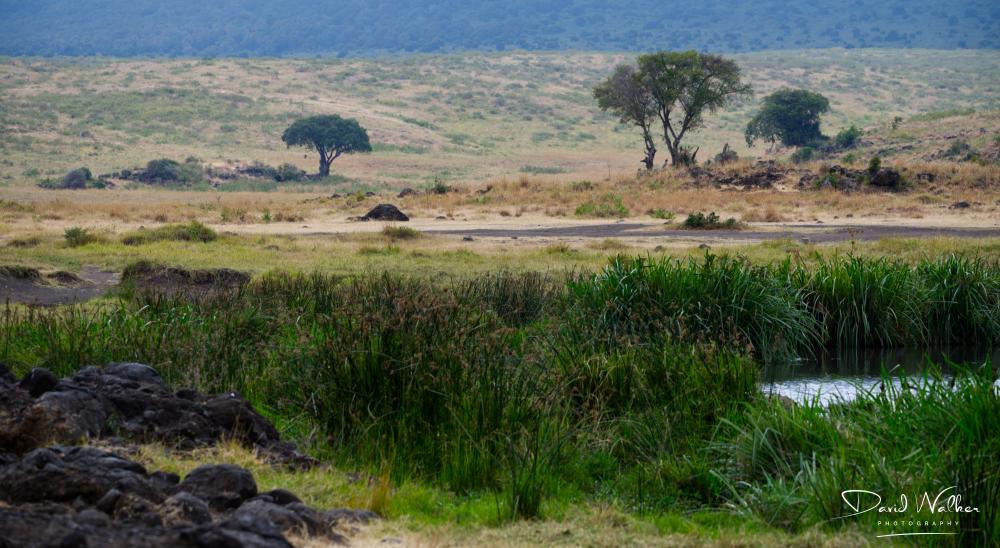
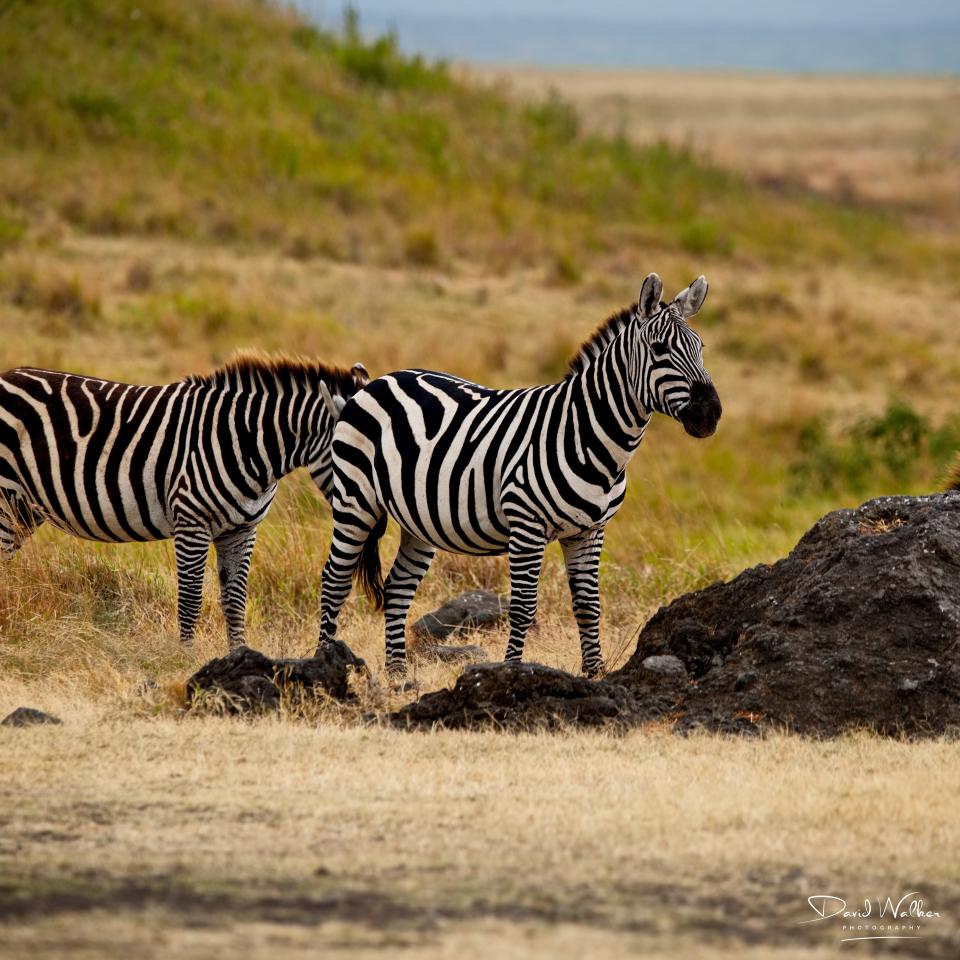
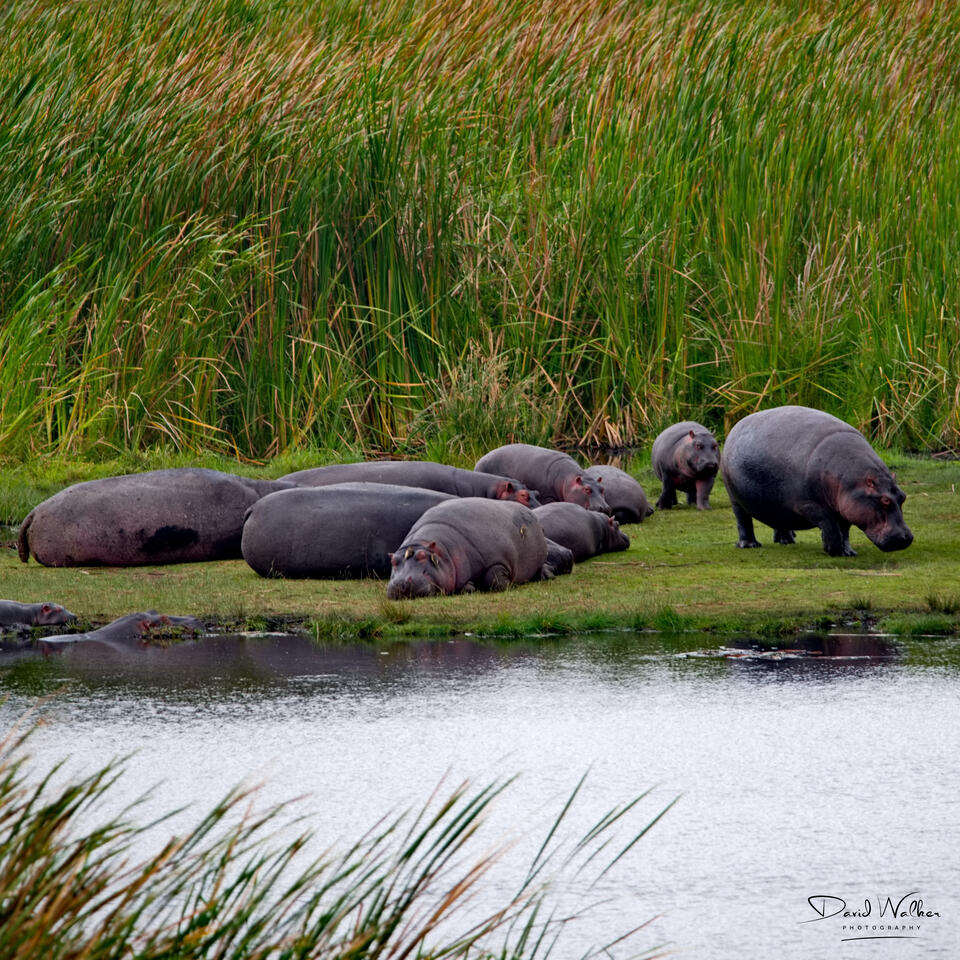
We’d taken a packed lunch provided by the Lodge and chose a spot by a rush-lined pool for our lunch. As we ate, a group of zebra made their way single-file over the ridge behind us, stopping behind us to graze. It was at this pool that we saw our first hippopotamus, including some youngsters.
The Return Journey
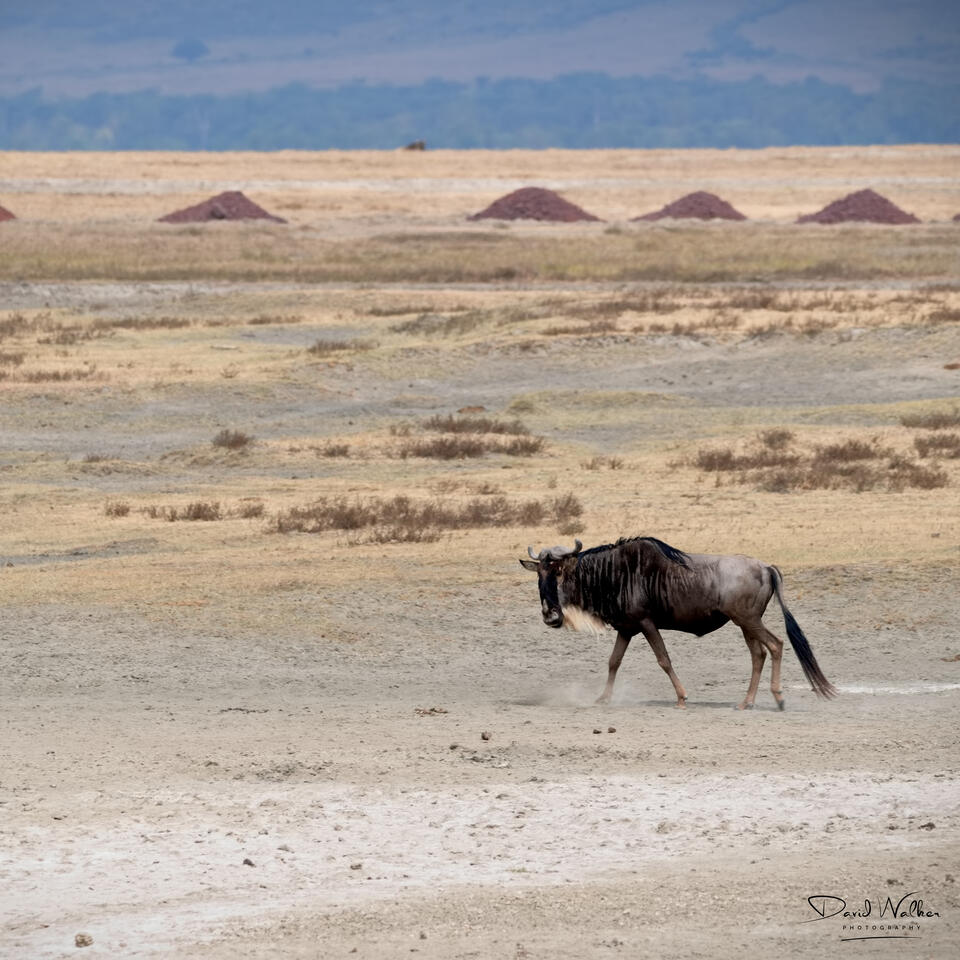
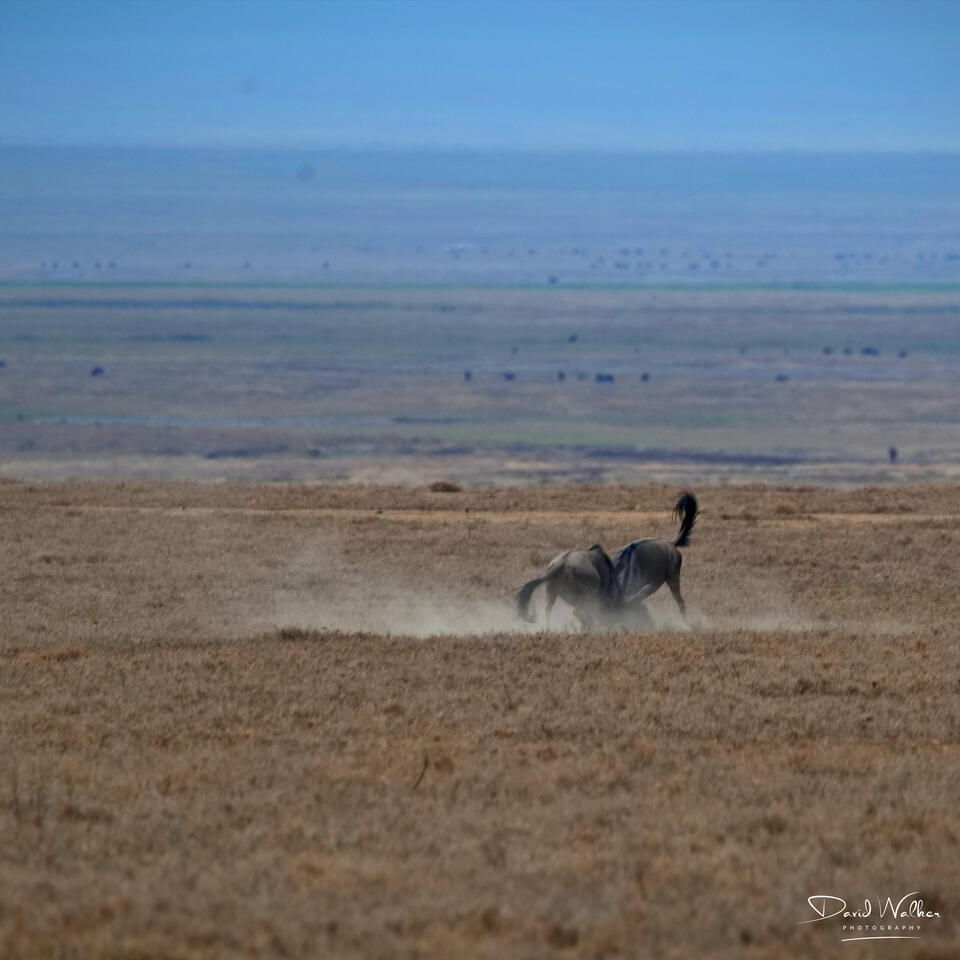
After lunch, as we were now at our furthest point from the entrance to the crater, we began to wind our way back to the crater rim. We witnessed wildebeest walking across the parched landscape in the baking afternoon heat and, at one point, we witnessed some wildebeest aggression, two adults charging one another and locking horns a few hundred metres from the Land Cruiser.
We didn’t see the black rhino in the Ngorongoro, but, as we made our way back towards the rim, we felt that the crater had already offered more than enough.
Field Notes
- Ngorongoro Crater - large volcanic caldera (~264 km2) with enclosed ecosystem; supports high density of resident wildlife
- Lion (Panthera leo) - pair observed at first light; relaxed behaviour with close association between individuals
- Grey Crowned Crane (Balearica regulorum) - feeding in short grass; ornate crown and contrasting plumage highly visible against muted landscape
- Yellow-billed Stork (Mycteria ibis) - observed foraging near wetland; slow, deliberate feeding behaviour
- African Buffalo (Syncerus caffer) - present near wetland areas; one individual briefly stalked by a lion
- Black Rhinoceros (Diceros bicornis) - present in low numbers (~50 individuals within crater); not observed during visit
- Wildebeest (Connochaetes taurinus) - large numbers across crater floor; observed grazing, movement, and intraspecific aggression
- Hippopotamus (Hippopotamus amphibius) - group observed at pool, including juveniles; typical semi-submerged resting behaviour
- Habitat Structure - mix of open grassland, wetland, and scattered woodland supporting diverse species assemblage